
Celebrating a Semiquincentennial
What the 250th Anniversary of the U.S. means for Fort Walla Walla Museum
Next year marks the 250th anniversary of the United States, our nation’s semiquincentennial. Washington state has been working with heritage and arts organizations to create exhibits and programming that will tell our region’s piece of the story. Fort Walla Walla Museum has been working quietly to prepare for next year by joining the Out of Many, One (OMO) project.
Created by America250WA, OMO is “an initiative inviting museums to partner with their communities to identify and exhibit an object, image, or artwork from their collections that reflects the American experience.” And that is where you come in. We need your help deciding which artifact will be our “one.” Learn which artifacts we are considering and vote for your choice.
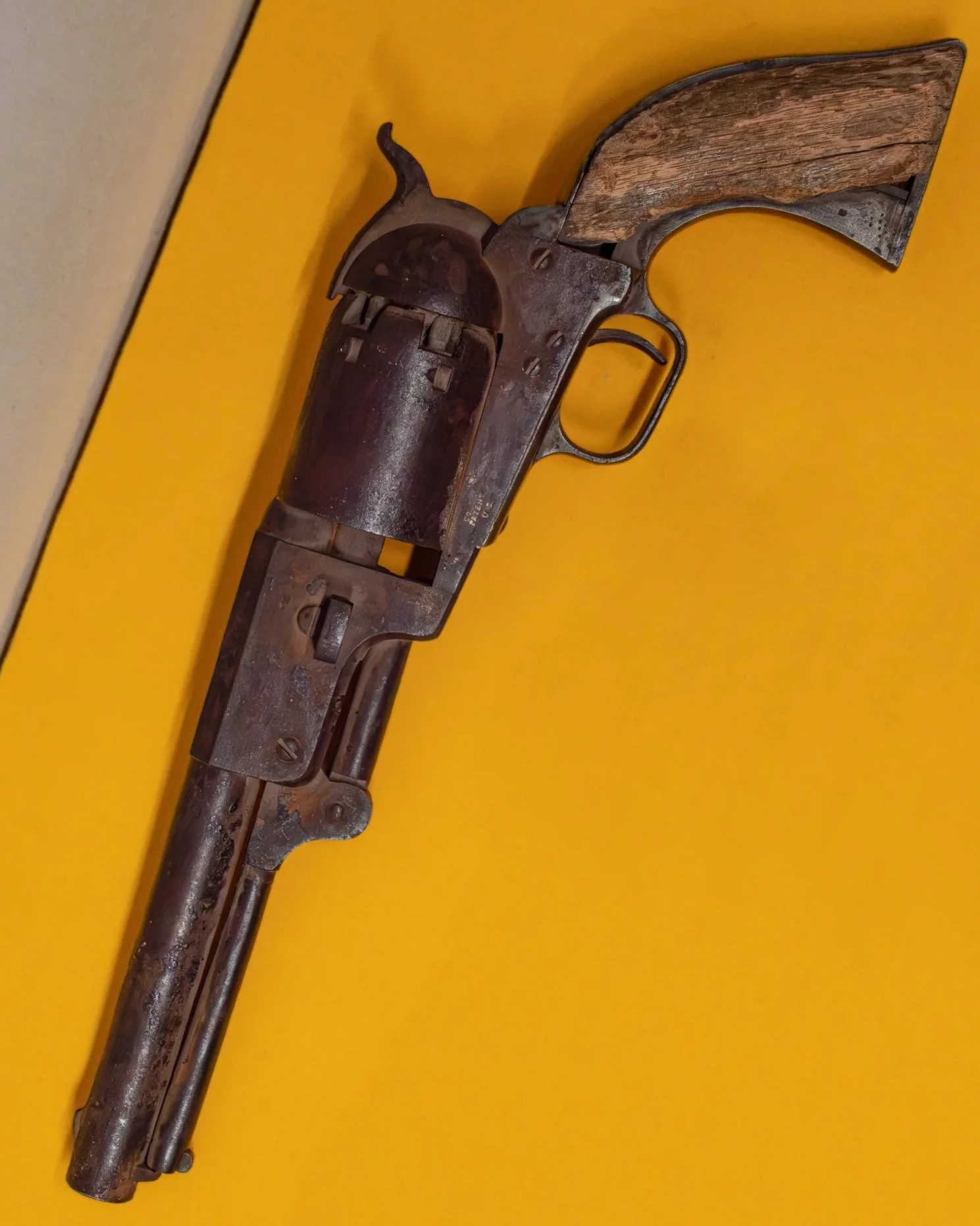
Our first artifact is a four-pound Colt Dragoon Revolver, lost by one of Col. Edward J. Steptoe’s men in the 1858 Battle of Tohotonimme. When the troops were being surrounded, Chief Timothy, one of Steptoe’s Nez Perce scouts, found a path to escape. If Steptoe had not followed this recommendation, he and all his men would have been killed. If this happened, Steptoe would be as famous as Col. George A. Custer.
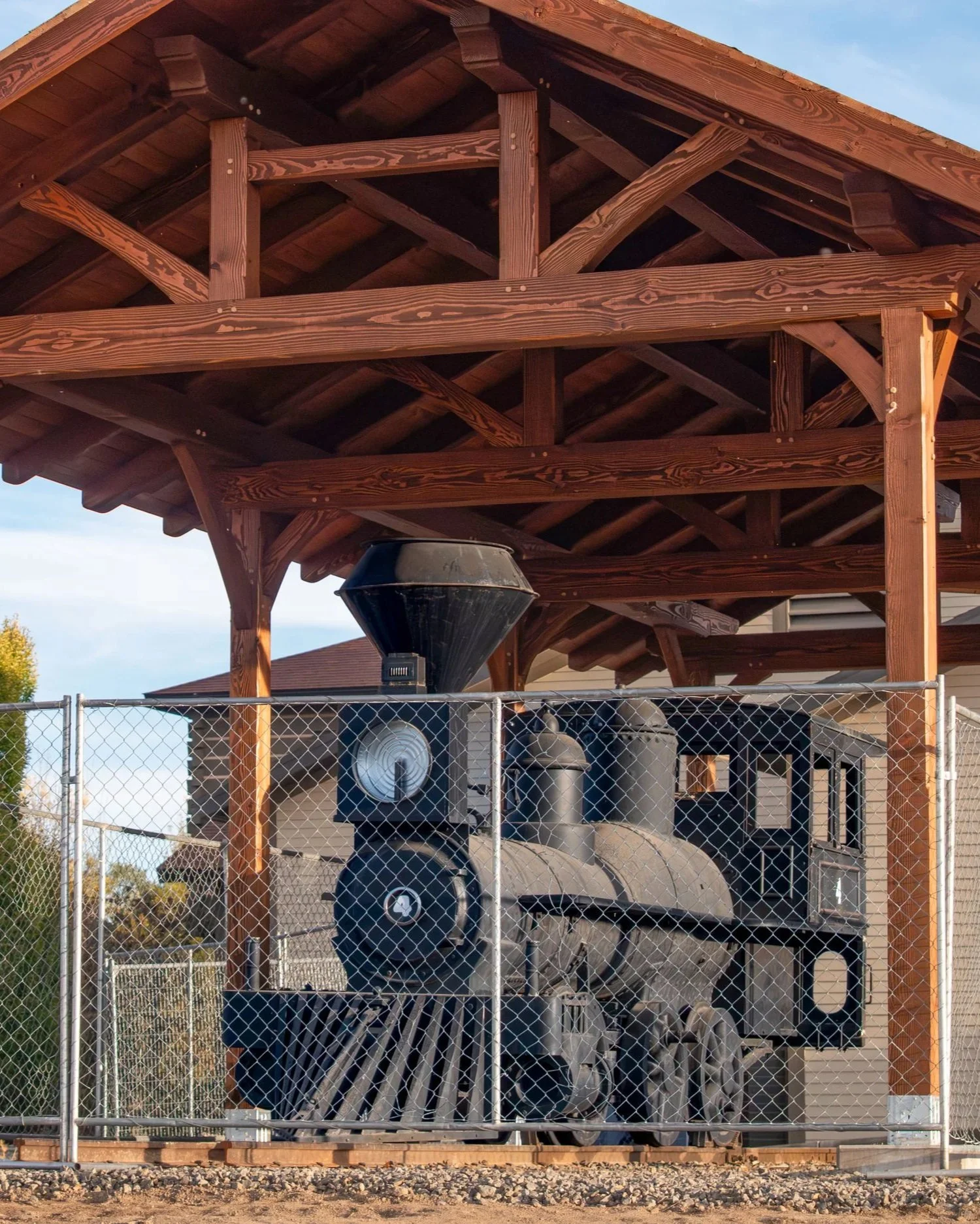
Railroads have defined the American West, being a reliable and fast way to move everything from agriculture to passengers. It was this need for innovative transportation that spurred Dr. Doresy Baker to lead the effort in building the Walla Walla & Columbia River railroad, connecting Walla Walla to the Columbia River.
Completed in 1875, this railroad brought merchandise to Walla Walla and transported wheat and other agricultural products to the Columbia River to be shipped out to other markets. What remains of this railroad is the Blue Mountain Locomotive, a gem in our collection and our second consideration. While it is one of about 30 pre-1880s locomotives surviving in the U.S., it is the only one of its configuration, 0-6-0, and the oldest in Washington.
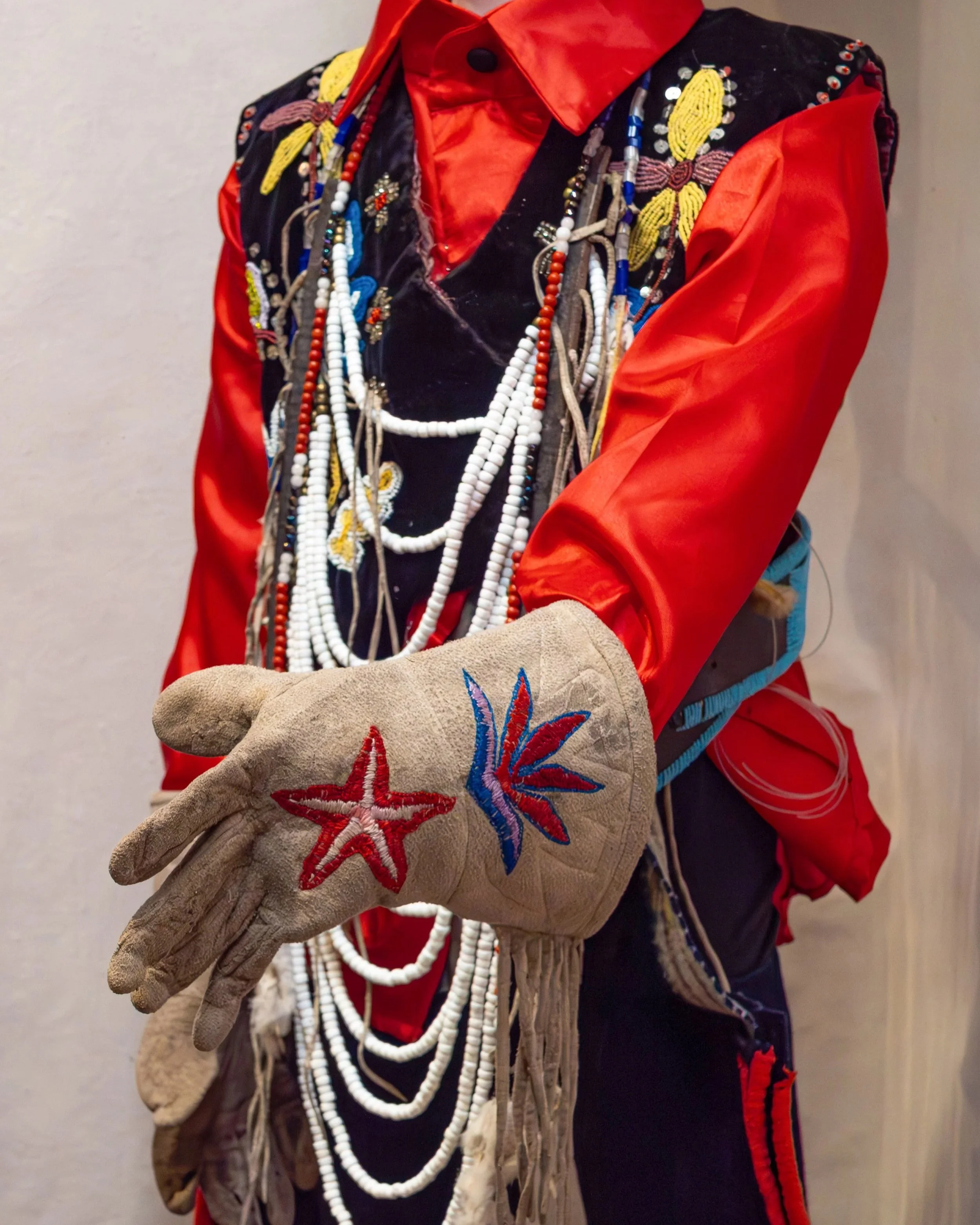
Our third choice is currently on display near the Lewis & Clark diorama. Gifted around 1920, four-year-old Tony Lloyd received a full set of regalia from his family’s Indian friends so he could participate in traditional ceremonies. Valued around $200 when a Ford Model T cost $300, this generous gift was the result of decades full of mutual respect & friendship between the Lloyd family and their Indian neighbors.
Tony’s grandfather had moved to Walla Walla County in the 1850s and worked directly with the Indian people to secure land for his family. The story of his family defies most accounts of white settlement in the U.S. and reveals that through cooperation our lives are enriched.
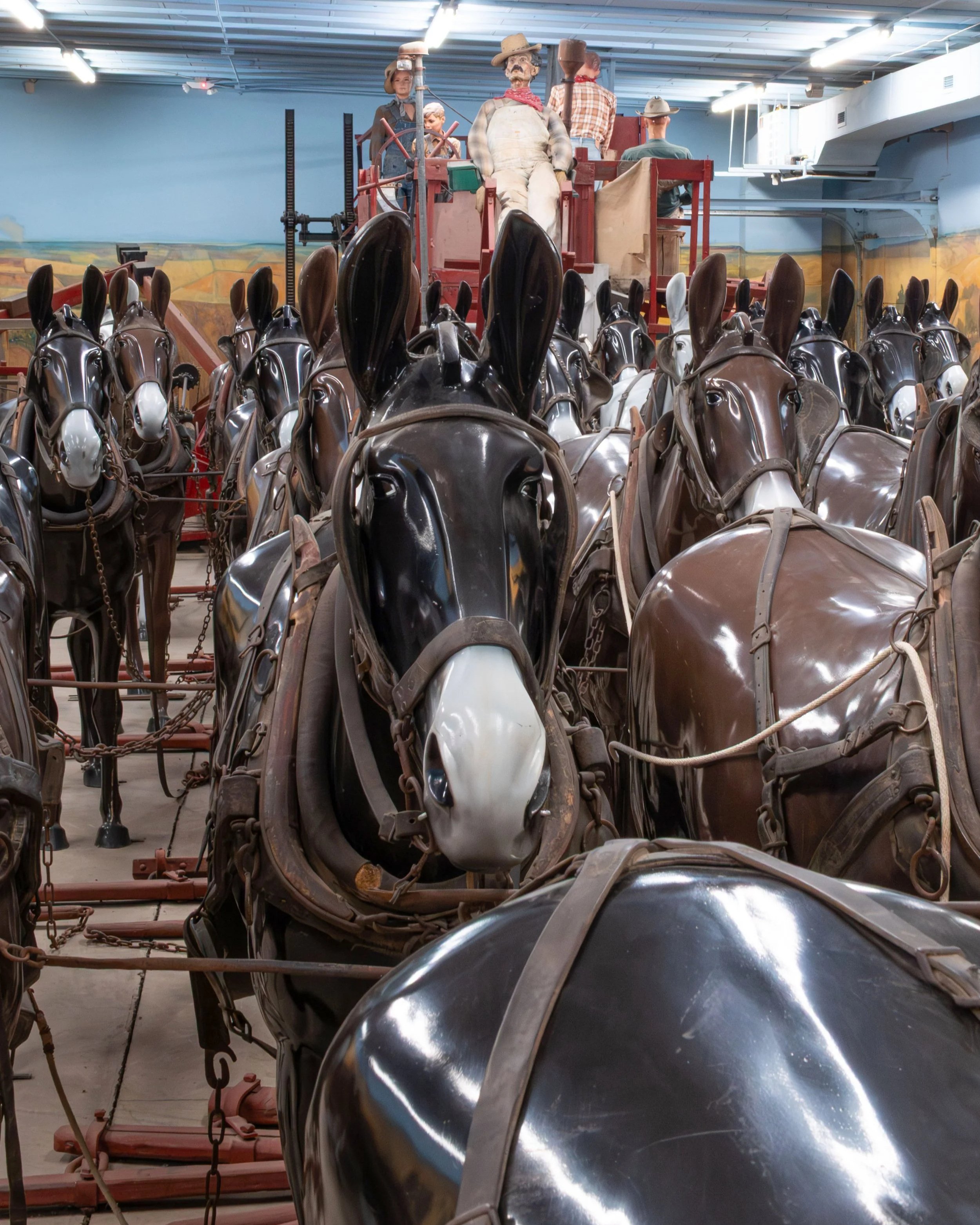
Agriculture has always been a pillar of U.S. culture and economy. Because of the large amount of wheat grown here, the Walla Walla region was once known as the breadbasket of the world. In addition to the soil in the valley, the Harris Combine and 33 Mule team were responsible for our agricultural prowess. Harvest on the slopes of Palouse Hills was facilitated by a hill-side leveling technology built into this wooden combine. The combine was attached to a Shandoney Hitch that equalized the workload for each of the 33 mules required to pull this machine through the fields.
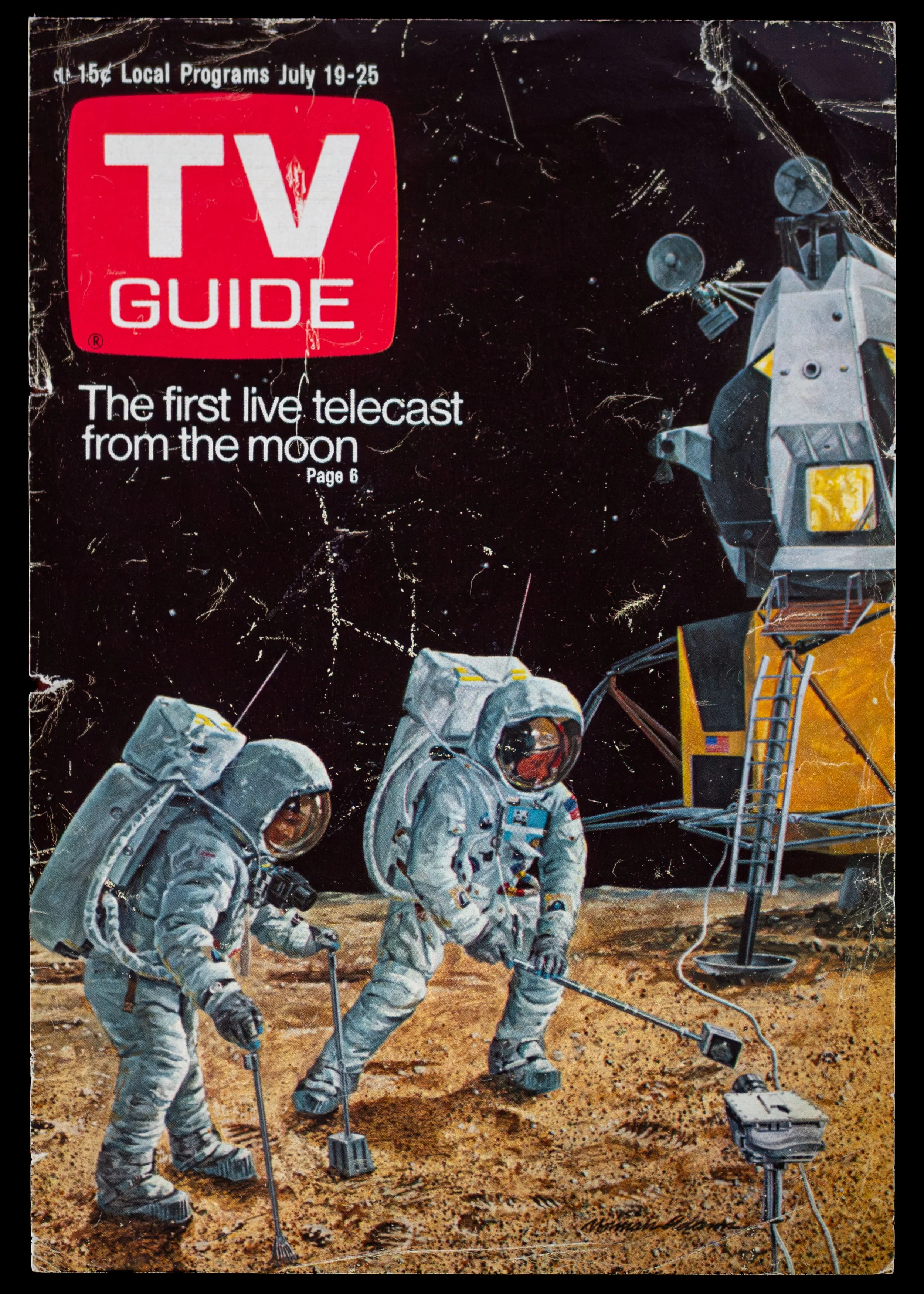
One of the biggest achievements in United States history is when the Apollo 11 landed on the moon and Neil Armstrong took the first step off the Lunar Module. This iconic moonwalk is recorded on our fifth and final consideration.
Walla Walla native Norman Adams was a productive illustrator whose work appeared in many magazines. When he was hired to paint a cover for a July 1969 issue of the magazine TV Guide, NASA wanted Norman to include the state-of-the-art camera that would send TV pictures from the Moon. Norman asked to borrow the only backup of this $1 million camera to assure the accuracy of his illustration. This totally unorthodox loan led to hourly phone calls inquiring about the camera’s condition and when it would be returned.
Voting has already started, and we encourage you to cast your ballot. Please visit the Museum Store or fill out the survey to submit your vote!